Quiet Your Stream: The Essential Guide to Soundproofing Materials for Walls & Doors
In the vibrant world of live streaming, audio quality is king. A crystal-clear microphone can capture every nuance of your voice, but even the most expensive setup can be undermined by unwanted background noise. Whether it's the rumble of city traffic, the chatter of family members, or even just the hum of your PC, external sounds can disrupt your stream and detract from the viewer experience. This is where investing in effective soundproofing materials for streaming room walls and doors becomes not just a luxury, but a necessity.
You might be tired of apologizing for your neighbor's dog or explaining away a passing siren. The good news is that creating a sanctuary of silence for your streams doesn't have to be an overwhelming or overly expensive endeavor. With the right strategies and materials, you can significantly reduce noise transmission and create an environment where your content, and your voice, truly shine.
Why a Quiet Streaming Room is Non-Negotiable for Quality Content
Think about your favorite streamers. Beyond their personality and gameplay, what often stands out is the crisp, professional sound of their broadcast. Noise pollution isn't just an annoyance; it's a direct impediment to professionalism and viewer engagement. Scientific studies consistently show that constant background noise impacts concentration and overall well-being. For a streamer, this translates to:
- Enhanced Viewer Experience: No distractions mean viewers can immerse themselves fully in your content, leading to higher retention and more loyal fans.
- Improved Streamer Focus: A quiet environment allows you to concentrate better on your game or interaction, reducing stress and boosting your performance.
- Professional Audio Quality: Your microphone picks up less unwanted ambient sound, making your voice clearer, more present, and more professional-sounding.
- Creative Freedom: With a quiet space, you're free to experiment with different audio elements without worrying about external interference.
The goal is twofold: block external noise from entering your room (sound blocking) and absorb internal echoes and reverberations (sound absorption). By strategically deploying soundproofing materials for streaming room walls and doors, you can achieve both.
Mastering Your Walls: Soundproofing Materials for Optimal Audio
Walls are often the largest surface area in your streaming room and, therefore, a significant pathway for sound transmission. Addressing them effectively is crucial for a truly quiet space.
Mass-Loaded Vinyl (MLV) & Acoustic Panels
One of the easiest and most effective ways to beef up your walls' sound-blocking capabilities is by adding mass. Mass-Loaded Vinyl (MLV) is a flexible, heavy material designed to block airborne noise. It can be hung behind existing drywall, under new drywall layers, or even directly on walls, often covered by fabric for aesthetic purposes. It's incredibly dense for its thickness, making it an excellent choice for adding significant mass without taking up much space.
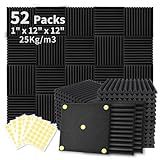
Alongside sound blocking, you'll need sound absorption to manage echoes and reverberation within your room. This is where acoustic panels come in. Available in various materials like foam or fabric-wrapped fiberglass/mineral wool, these panels are designed to absorb sound waves, preventing them from bouncing around your room and creating an echoey effect. They come in diverse textures and colors, allowing them to double as aesthetic decor. They can be easily installed with heavy-duty double-sided tape, adhesive, or by hanging them with grommets like art.
Heavy Blankets & Quilts
For a more budget-friendly and DIY-friendly approach, heavy blankets, moving blankets, or thick quilts can offer surprising sound absorption. While not as effective as dedicated acoustic panels or MLV for blocking intense noise, they can significantly reduce echoes and dampen overall sound within the room. Hang them strategically on walls, especially behind your microphone setup or on the wall opposite your primary sound source, using strong hooks or curtain rods. The thicker and denser the material, the better the absorption.
Beyond Surface-Level: Insulation & Drywall Techniques
For those seeking a more comprehensive and permanent solution, integrating soundproofing into the wall structure itself yields superior results. This involves techniques like:
- Adding Mass with Multiple Drywall Layers: Installing a second layer of drywall can dramatically increase a wall's sound-blocking capability. For even better results, consider using a viscoelastic damping compound like Green Glue between the drywall layers. This compound dissipates sound energy as heat, effectively decoupling the layers.
- Specialized Sound-Dampening Drywall: Products like QuietRock incorporate multiple layers of gypsum and damping materials into a single panel, offering enhanced sound attenuation with less labor than traditional multi-layer setups.
- Resilient Channels: These metal channels can be installed between the drywall and the wall studs, creating a mechanical break that prevents sound vibrations from transferring directly through the wall structure (decoupling).
- Insulation in Wall Cavities: If you have access to your wall cavities (e.g., during a renovation), filling them with dense soundproofing insulation (like mineral wool or Roxul Safe'n'Sound) can significantly improve sound blocking by absorbing sound waves as they pass through.
To explore more advanced options and understand the science behind these professional-grade solutions, check out Essential Soundproofing Materials for Your Streaming Room.
Fortifying Your Entry: Soundproofing Materials for Doors
Doors are notoriously weak points in any room's sound insulation, often letting in a surprising amount of noise. Addressing them is crucial for your streaming room's serenity.
The Hollow vs. Solid-Core Dilemma
Many interior doors are hollow-core, meaning they're essentially thin shells with empty space inside. These offer almost no sound blocking. The most effective upgrade for a door is to replace a hollow-core door with a solid-core door. Solid doors, typically made from dense particleboard, MDF, or solid wood, have significantly more mass, which naturally blocks more sound. While this is a heavier lift, the difference in noise reduction is substantial.
Sealing the Gaps: Weatherstripping & Door Sweeps
Even a solid door can fail if there are gaps around its perimeter. Sound behaves like water, finding the smallest cracks to seep through. Sealing these gaps is a critical and often overlooked step:
- Weatherstripping: Apply adhesive-backed weatherstripping (foam, rubber, or V-strip) along the door jamb's perimeter. This creates a tight seal when the door is closed, preventing sound leakage.
- Door Sweeps/Bottom Seals: Install a door sweep or a more robust automatic door bottom at the base of the door. These devices seal the gap between the bottom of the door and the floor or threshold when the door is closed, retracting when opened to prevent drag.
- Perimeter Gaskets: For a truly comprehensive seal, consider installing an aluminum frame with a robust gasket around the door's perimeter, which compresses when the door is shut.
Acoustic Door Panels & DIY Solutions
If replacing your door isn't an option, you can still improve its soundproofing. Consider attaching dense acoustic panels or mass-loaded vinyl directly to the door's surface. You can also create a DIY solution by cutting pieces of MDF or heavy plywood to fit the door's panels and attaching them securely. While this adds mass, ensure the door hinges are strong enough to support the extra weight and that the door still closes properly.
Beyond Walls & Doors: Holistic Noise Reduction for Streamers
While walls and doors are primary targets, a holistic approach to soundproofing your streaming room involves considering all surfaces.
Window Solutions: Double Glazing & Heavy Drapes
Windows are another common entry point for external noise. If possible, upgrading to double-pane or triple-pane windows offers an excellent layer of sound blocking due to the air gap between the panes. For existing windows, consider installing secondary glazing panels or acoustic window inserts. Furthermore, heavy, thick drapes or blackout curtains can significantly help with sound absorption and offer some blocking capabilities, especially if layered.
Floor & Ceiling Considerations: Carpets & Rugs
Hard floors can contribute to a room's echoey nature, causing sound to bounce excessively. Adding soft, thick carpets and rugs significantly improves sound absorption, reducing reverberation and making the room sound "drier" and more controlled. For an even greater impact, consider a dense carpet underlayment. While ceilings are often less critical than walls and doors, acoustic ceiling tiles or even installing sound-absorbing panels on the ceiling can further refine your room's acoustics.
For budget-friendly solutions to get started, take a look at Affordable DIY Soundproofing Materials for Streamers.
Conclusion: Invest in Your Sound, Elevate Your Stream
Creating a quiet and acoustically treated streaming room is one of the most impactful upgrades you can make to your content creation setup. By understanding the principles of sound blocking and absorption, and strategically deploying the right soundproofing materials for streaming room walls and doors, you can transform a noisy space into a professional audio haven. Whether you opt for simple DIY fixes like heavy blankets and weatherstripping or invest in more comprehensive solutions like MLV, acoustic panels, or solid-core doors, every step you take towards noise reduction will translate into a better experience for both you and your audience. Quiet your stream, and let your content speak for itself.