The Quest for Crystal-Clear Audio: Why Your Streaming Room Needs Soundproofing
In the dynamic world of online content creation, a pristine audio environment isn't just a luxury—it's a necessity. For streamers, whether you're battling virtual foes, showcasing your artistic talents, or engaging with your community, the quality of your sound directly impacts viewer retention and overall professionalism. Imagine trying to deliver an exciting narrative only to be undercut by the rumble of passing traffic, a neighbor's lawnmower, or even chatter from another room. This is where dedicated soundproofing for your streaming room becomes indispensable. It's about creating an isolated auditory sanctuary, ensuring that what your audience hears is precisely what you intend: your voice, your game sounds, and your content, free from unwanted intrusions.
Effective soundproofing goes beyond simply muffling noise; it’s a strategic approach to control sound waves, both entering and exiting your space. This means not only protecting your stream from external distractions but also preventing your own audio from disturbing others. From frustrating echo and reverberation that can make your voice sound muddy, to the dreaded "bleed" of sound into adjacent rooms, tackling these acoustic challenges head-on is crucial. While the idea of soundproofing might conjure images of complex construction, many highly effective solutions are surprisingly accessible, ranging from simple DIY fixes to more robust installations that significantly upgrade your streaming setup.
Understanding the Pillars of Effective Soundproofing for Streamers
To truly soundproof a room, especially for demanding applications like live streaming, it's essential to grasp the core principles that govern sound control. Think of it as a three-pronged attack against unwanted noise: adding mass, decoupling structures, and enhancing sound absorption. Each plays a distinct yet complementary role in achieving a quiet, acoustically balanced environment.
- Adding Mass: The Sound Blocker
The most fundamental principle of soundproofing is simply adding density. Sound waves struggle to penetrate heavy, solid objects. Materials with significant mass effectively block sound transmission by reflecting sound waves back or dissipating their energy. This is why a solid-core door blocks more noise than a hollow one, or why double-pane windows are superior to single-pane. For your streaming room, increasing the mass of walls, doors, and windows is your primary defense against external noise pollution. - Decoupling: Breaking the Connection
Sound travels through vibrations. When two surfaces are directly connected, vibrations can easily transfer from one to another, carrying sound with them. Decoupling means physically separating structures to prevent this transfer. While often a more involved construction technique (like creating a "room within a room" or using resilient channels in walls), the principle applies even to smaller scales, such as using isolation pads under speakers to prevent vibrations from traveling through your desk. - Sound Absorption: Taming Echo and Reverb
Once sound is inside your streaming room, reflective surfaces (bare walls, hard floors, glass) can cause echoes and excessive reverberation. This is where sound absorption comes in. Porous, soft, or fibrous materials convert sound energy into a tiny amount of heat, preventing it from bouncing around. This improves the internal acoustics, making your voice clearer and your recordings more professional. While absorption doesn't *block* sound from entering or leaving the room, it significantly enhances the quality of the sound *within* the room, which is vital for any streamer.
By strategically employing materials that leverage these three principles, you can transform a noisy space into a dedicated streaming studio that delivers crisp, clear audio every time.
Fortifying Your Walls: Essential Materials for Acoustic Control
The walls of your streaming room are often the largest surfaces, making them critical targets for soundproofing efforts. A multi-layered approach, combining both sound blocking and sound absorbing materials, yields the best results.
- Acoustic Panels: The Streamer's Best Friend
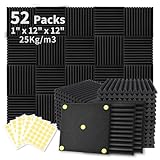
Perhaps the most recognizable soundproofing material, acoustic panels are designed primarily for sound absorption. Available in various forms—from foam panels to more aesthetically pleasing fabric-covered rigid fiberglass or mineral wool panels—they are excellent at reducing echo and reverberation within your room. Strategic placement on walls (and even ceilings) can dramatically improve your microphone's pick-up, making your voice sound clearer and more professional. Foam panels are a budget-friendly affordable DIY soundproofing material for streamers, while fabric-covered options offer superior performance and a more polished look. - Mass Loaded Vinyl (MLV): The Heavyweight Blocker
When it comes to adding mass without significant bulk, Mass Loaded Vinyl (MLV) is a superhero. This dense, flexible material, often weighing 1 lb per square foot or more, is incredibly effective at blocking airborne sound. It can be installed directly onto existing walls, under drywall, or even as a temporary hanging barrier behind aesthetic elements. MLV works by creating a soundproof membrane, significantly increasing the STC (Sound Transmission Class) rating of your walls. - Thick Blankets, Quilts, and Moving Pads: Budget-Friendly Absorption
For streamers on a tight budget, heavy blankets, quilts, or even specialized moving blankets can offer a surprising degree of sound absorption. Hung like tapestries or draped over strategic areas, they help dampen reflections and reduce flutter echo. While not as effective as dedicated acoustic panels, they provide a noticeable improvement and are easily reversible. - Sound-Reducing Drywall and Membranes: A More Permanent Solution
For those undertaking more significant renovations, specialized sound-reducing drywall (like QuietRock) or sound-deadening membranes installed between drywall layers can provide exceptional sound isolation. These materials are engineered to add mass and, in some cases, provide a degree of decoupling, creating a formidable barrier against noise. While a heavier lift, the long-term benefits for a dedicated streaming space are immense.
Combining these materials—perhaps starting with absorption panels for internal acoustics and adding MLV or heavier drywall for external noise—can transform your walls into an impenetrable acoustic barrier. For a deeper dive into specific wall and door solutions, check out our guide on Quiet Your Stream: Soundproofing Materials for Walls & Doors.
Sealing the Sanctuary: Doors and Windows as Key Barriers
Even the most meticulously soundproofed walls can be undermined by weak points: your doors and windows. These openings are notorious for letting in and letting out sound, requiring specific strategies to bring them up to par with your other soundproofing efforts.
Doors: Closing the Gap on Noise
Doors are often the weakest link in a room's sound isolation. Their structure and the gaps around them are prime culprits for noise transmission.
- Solid-Core Doors: The Foundation of Silence
If you currently have hollow-core doors, upgrading to solid-core alternatives is one of the most impactful changes you can make. Solid doors possess significantly more mass, inherently blocking more sound than their hollow counterparts. This increased density directly translates to a higher STC rating, providing a much-needed barrier. - Weatherstripping and Door Sweeps: Sealing Every Crack
Even a solid door is only as good as its seal. Small gaps around the door frame can allow a surprising amount of noise to leak through.- Adhesive-backed weatherstripping: Apply this dense foam or rubber strip along the perimeter of your door jamb to create a tight seal when the door is closed.
- Door sweeps or draft stoppers: Install these at the bottom of the door to block the common gap between the door and the floor. For maximum effectiveness, opt for an automatic door bottom that retracts when the door opens and seals tightly when it closes.
- Gasketed door frames: For a professional-grade solution, consider installing an aluminum frame with a robust gasket around the door's perimeter. This creates an airtight seal that is highly effective at blocking sound.
Windows: Your View, Your Vulnerability
Windows, by their very nature, are thinner and less dense than walls, making them significant pathways for external noise.
- Double-Pane Windows: The Gold Standard
If budget and renovations allow, replacing single-pane windows with double-pane (or even triple-pane) windows is an excellent long-term investment. The air gap (or inert gas fill) between the two panes of glass acts as an insulating layer, significantly reducing sound transmission. Anton Liakhov, an expert in the field, assures that "double-glazing windows provides an excellent layer of sound blocking." - Heavy Drapes and Acoustic Curtains: Absorption and Some Blocking
For a more accessible solution, invest in thick, heavy drapes or specialized acoustic curtains. While they won't block sound as effectively as double-pane windows, their mass and fabric composition provide significant sound absorption within the room and can dampen some incoming noise. Ensure they extend beyond the window frame and touch the floor for maximum coverage. - Window Inserts or Plugs: DIY Noise Barriers
For a cost-effective yet highly effective approach, consider DIY window inserts or plugs. These can be crafted from layers of materials like plywood, MLV, and foam, cut to fit snugly within your window frame. They create an additional barrier of mass and absorption, offering superb sound blocking when in place, though they do obscure your view.
Taming the Room: Floors and Ceilings for Comprehensive Sound Control
While walls, doors, and windows often get the most attention, the floor and ceiling of your streaming room are equally crucial components in achieving complete sound isolation and optimal internal acoustics.
Floors: Absorbing Impact and Airborne Noise
Hard surfaces like wood, laminate, or tile are highly reflective and can contribute significantly to echo and reverberation. They also transmit impact noise (footsteps) easily.
- Thick Carpets and Rugs: The Acoustic Cushion
The simplest and most effective way to improve floor acoustics is by adding thick carpets and rugs. Soft, plush materials are excellent sound absorbers, soaking up sound waves and preventing them from bouncing around your room. A wall-to-wall carpet offers maximum coverage, but even a large, area rug with a thick pad can make a noticeable difference in reducing both airborne noise reflections and impact sounds. The thicker the pile, the better the absorption. - Carpet Underlayment: An Extra Layer of Defense
For existing hard floors, a high-quality carpet underlayment designed for sound absorption can be installed beneath your rug. These dense foam or felt pads add mass and cushioning, further enhancing the soundproofing capabilities of your floor. - Acoustic Underlayment for Hardwood: Preventing Transmission
If you're installing new hardwood or laminate flooring, consider using a specialized acoustic underlayment. These products are designed to decouple the flooring from the subfloor, reducing both impact noise transmission to rooms below and airborne noise reflection within your space.
Ceilings: Overhead Acoustic Control
Ceilings, especially in multi-story homes or apartments, can be a major source of noise transfer, both from above and for reflections within your room.
- Acoustic Ceiling Tiles: Commercial-Grade Absorption
For rooms with drop ceilings, replacing standard tiles with acoustic ceiling tiles is a straightforward and highly effective solution. These tiles are specifically engineered to absorb sound, dramatically reducing reverberation and improving the overall clarity of your audio. They can also provide a degree of sound blocking from above. - Adding Mass to Drywall Ceilings: Blocking Noise from Above
If you have a standard drywall ceiling and are dealing with significant noise from an upstairs neighbor or room, adding mass is key. This could involve attaching a layer of Mass Loaded Vinyl (MLV) directly to the existing ceiling and then adding a new layer of drywall over it. For a more intensive solution, resilient channels can be installed between the existing ceiling joists and new drywall to decouple the ceiling, providing excellent sound isolation. - Heavy Fabric Draping: Budget Ceiling Absorption
Similar to walls, heavy fabrics can be strategically draped or mounted on the ceiling to provide some sound absorption. While not as effective as dedicated acoustic panels or tiles, it can help tame overhead reflections in a pinch.
By considering your floors and ceilings as integral parts of your soundproofing strategy, you create a truly enclosed and acoustically controlled environment, ensuring your streaming room delivers unparalleled audio performance.
Conclusion: Crafting Your Perfect Streaming Soundscape
Creating an ideal streaming environment is a strategic endeavor, and soundproofing materials for your streaming room are the cornerstone of that effort. By understanding and applying the principles of adding mass, decoupling, and sound absorption, you can effectively combat external distractions and cultivate pristine internal acoustics. Whether you opt for a full overhaul with solid-core doors and double-pane windows, or begin with more accessible affordable DIY soundproofing materials for streamers like acoustic panels, heavy drapes, and thick rugs, every step you take contributes to a more professional and immersive streaming experience. Invest in your sound, and your audience will thank you with their continued engagement and loyalty. The peace and quiet you create won't just improve your stream; it will enhance your entire creative workflow, allowing you to focus on what you do best: entertain and connect.